How to Choose the Right Yosemite Hike
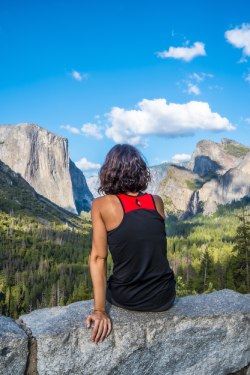
Taking a wrong trail here can make a great day a bad one in a matter of minutes. Distance counts for something, but it's the elevation gain that usually breaks people. A 4-mile hike with 2,000 feet of climbing impacts people much differently than 4 miles flat through the valley.
And then there's the major drawback of trail exposure. Some routes that take you above the valley floor give way to sudden drop-offs without railing. Then by noon, one can quickly bake to heat exhaustion above 5,000 feet, and waterfall trails like Mist Trail stay genuinely wet and slippery well into July.
Seasonal closures affect several routes, and some wilderness areas require day-use permits. Parking fills by 8 a.m. on weekends, so the free Valley Shuttle is often your best option.
Before you go, check these:
- current trail conditions on nps.gov
- start time (earlier is always better)
- water and snacks for anything over 3 miles
- sturdy footwear with grip
- honest comfort level with sustained uphill hiking
Best Beginner and Moderate Yosemite Trails
One can see four trails along the itinerary path from flat and easy to really worthwhile climbs, one after another, all of them famous paths.
Lower Yosemite Fall
Difficulty: Easy. Distance: 1 mile round trip.
Elevation gain: 50 feet. A paved, accessible loop brings you face-to-face with North America's tallest waterfall. Ideal for families and first-timers.
Caution: extremely crowded in summer mornings.
Bridalveil Fall
Difficulty: Easy. Distance: 0.5 miles round trip.
Elevation gain: 80 feet. Short and spectacular, this trail ends at a 617-foot cascade that soaks you in mist.
Caution: rocks near the base get dangerously slippery.
Mirror Lake Loop
Difficulty: Easy to moderate.
Distance: 5 miles. Elevation gain: 100 feet. Reflections of Half Dome on still water make this one genuinely hard to forget. Best visited in spring before the lake dries.
Caution: limited shade on the eastern stretch.
Columbia Rock
Difficulty: Moderate.
Distance: 2 miles round trip.
Elevation gain: 1,000 feet. This is the step-up trail for hikers ready to earn their views. Sweeping Valley panoramas await at the top.
Caution: steep switchbacks require decent footwear.
Best Challenging and Advanced Yosemite Trails
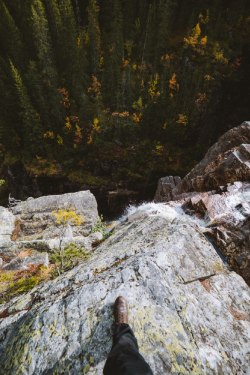
The relatively less easy tracks provided in the Yosemite national park are for those mountain climbers in search of a bigger challenge. Certainly, those mountain climbing trails must be classified as some of the hardest among California as a whole, for they demand a huge amount of energy either to go uphill along or to ascend a ridgeline; however, views tend to increase in favor with those who go through the long and arduous way.
Upper Yosemite Fall Trail
At 7.2 miles round trip with 2,700 feet of gain, this trail punishes unprepared hikers fast. Exposed switchbacks bake in afternoon sun, so start by 6 a.m. The payoff - standing above a 1,430-foot freefall - is hard to argue with.
Mist Trail to Nevada Fall
Round trip to Nevada Fall runs about 7 miles with 2,000 feet of elevation gain. Granite steps beside Vernal Fall are genuinely steep and stay slick from spray year-round. Expect 5–6 hours and bring traction if you're hiking early season.
The Best Yosemite Hike Is the One You're Ready For
The options are vibrant and abundant, so choosing wisely would be crucial. Going first to Half Dome before you first start living healthily or learning about permit requirements will lead to a miserable - possibly dangerous - day. Choose a trail according to your skill level, weather season, and hours. Mirror Lake just starts off a wholesome morning. Vernal Fall can reset complacency in hordes of swift hikers. Half Dome deserves every single good thing they say about it. Everyone is bound to see some truly gorgeous things within the park. Begin with beauty you have; do not wait till you wish you had the beauty: the experience will be the better for so.